

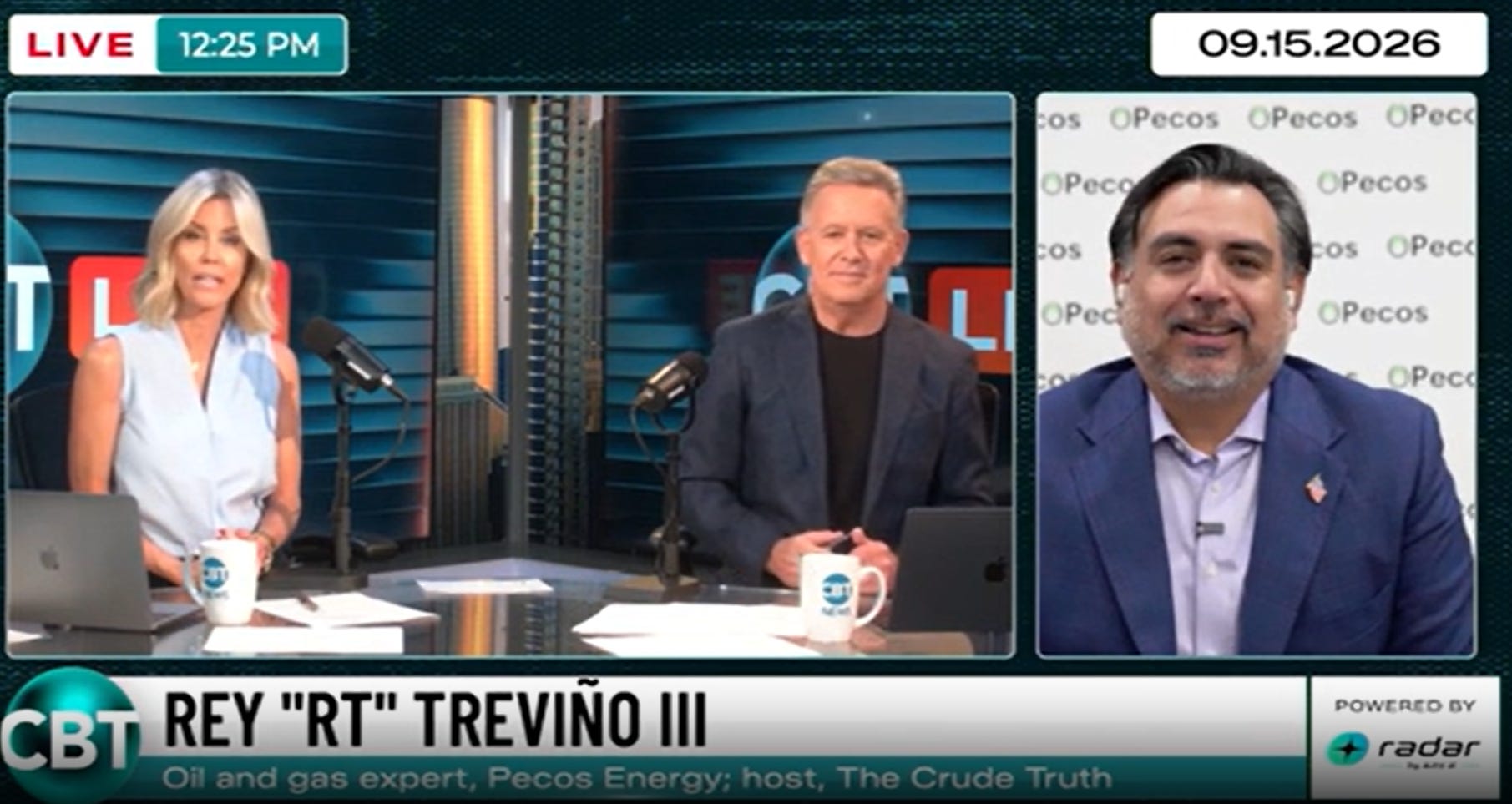
Gas prices dominate headlines and dinner table conversations across America, yet a puzzling contradiction persists: the U.S. produces nearly 14 million barrels of oil daily and exports energy globally, so why do Americans still pay premium prices at the pump? In this CBT Live interview, oil and gas expert Rey Trevino III—a second-generation oil man and host of the Crude Truth podcast—cuts through the noise to reveal the hidden infrastructure gaps, geopolitical tensions, and policy failures that keep gas prices stubbornly high despite domestic abundance. From the Iranian conflict threatening global supply routes to the critical shortage of American refineries, Trevino explains the complex web of factors driving energy costs and outlines what it will take for the U.S. to reclaim its position as the world's energy leader
.
Check out CBT News Here:

Full Video:
1. Current Oil and Gas Market Dynamics
The interview opens with a discussion of rising gas prices and their impact on consumers. Rey Trevino explains the critical distinction between physical oil prices (what refineries actually pay for tanker shipments) and paper oil prices (Wall Street valuations). Currently, physical oil is trading about $30 higher than paper prices—a gap not seen in several years.
2. Geopolitical Tensions and the Iranian Conflict
A major driver of current oil prices is the ongoing Iranian conflict and its impact on global oil supply. The discussion covers how markets have been pricing in the potential resolution or escalation of this conflict, and how Iranian diplomats are hoping for different political outcomes that might affect negotiations. This uncertainty directly influences oil pricing.
3. Strait of Hormuz and Alternative Shipping Routes
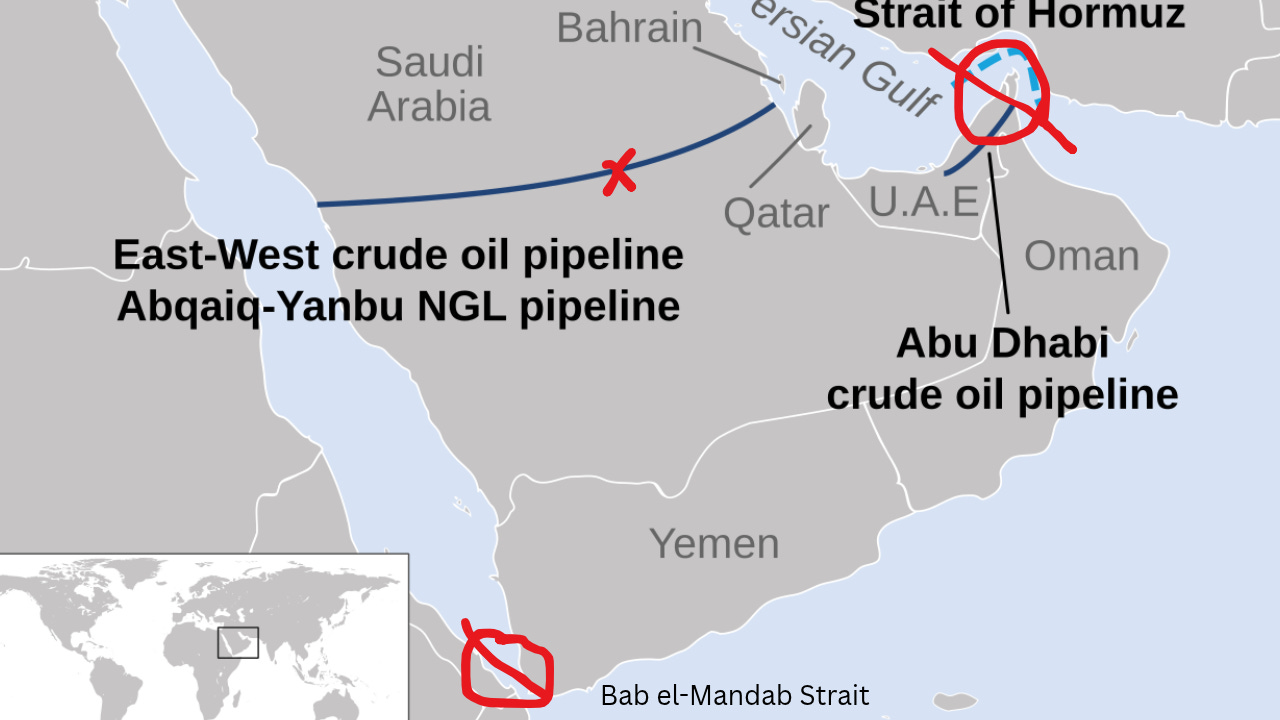
While the Strait of Hormuz remains 100% open, insurance costs for tankers have increased sixfold, making passage prohibitively expensive. More critically, the discussion shifts to the Strait of Bab el-Mandeb (on the other side of Saudi Arabia), where a Saudi pipeline disruption has created new supply concerns. Goldman Sachs predicts that if this strait is compromised, oil could reach $150-$200 per barrel.
4. Strategic Petroleum Reserve and Venezuelan Oil
The U.S. Strategic Petroleum Reserve has been depleted to critical 1980s-level lows. Venezuelan oil is positioned as crucial for refilling reserves at favorable prices. The U.S. now effectively controls 65 billion barrels of Venezuelan oil, with Chevron announcing an $18 billion investment to increase Venezuelan production from under 1 million to 3 million barrels per day.
5. Capital Discipline in Oil Production
Unlike past boom cycles, major oil companies (both independents like PECOS and majors like Exxon Mobil and Chevron) are practicing capital discipline—growing production methodically rather than aggressively drilling to capitalize on high prices, which would ultimately crash the market and harm consumers.
6. Refining Capacity Bottleneck
A critical insight: The U.S. produces 14 million barrels daily (with Texas producing 45% of that), but consumes 21 million barrels daily. More importantly, only 25% of U.S. refining capacity processes American crude oil; the remaining 75% processes foreign oil from Saudi Arabia, Venezuela, and Russia. This refining gap is a major reason gas prices remain high despite domestic production. The West Coast is losing refineries, and the Northeast is resistant to new refinery construction.
7. Policy and Regulatory Reform
The discussion emphasizes that bad policy over 15 years has hindered energy infrastructure development. The oil and gas industry needs over $1 trillion in investment. The current administration is removing regulatory red tape, commissioning nuclear facilities, and pushing for new refinery construction—including the first 100% American-oil processing refinery being built in Texas.
8. OPEC’s Declining Power
With Venezuela and other nations potentially leaving OPEC, the organization is fragmenting. The U.S. is positioning itself to reclaim its role as the world’s energy leader, reversing the power shift that occurred when OPEC dominated in the 1970s.
This interview provides a comprehensive overview of the interconnected factors—geopolitical, infrastructural, and policy-driven—that determine global oil prices and U.S. energy security.
I have more interviews lined up, and on Friday I will be joining Stu Turley on the Energy News Beat Stand Up again to cover this and more market insights.
Check out our new site: https://pecos.energy/
Also, if you have any questions, go to Pecosinfo.com

The world is not dependent on natural fossil fuels, as no one uses “raw” crude oil that is only black tar, BUT has become dependent on the products and transportation fuels MADE FROM oil, the same products and transportation fuels that OFFSHORE Wind CANNOT make!
Transportation fuel demands continue to grow to support jet fuel for planes, bunker fuel for ships, diesel fuel for trucks, and gasoline fuel for cars.
Those same net zero ideologists are also OBLIVIOUS to the fact that the more than 6,000 products, and transportation fuels MADE FROM crude oil, the world sustains 10 times more people today (8.3 billion) than at the start of the Industrial Revolution (approximately 700 to 800 million people in 1750).